CREATIVE CONTEST OPEN NOW! CLICK HERE TO LEARN MORE!
CREATIVE CONTEST OPEN NOW! CLICK HERE TO LEARN MORE!
ARTICLES
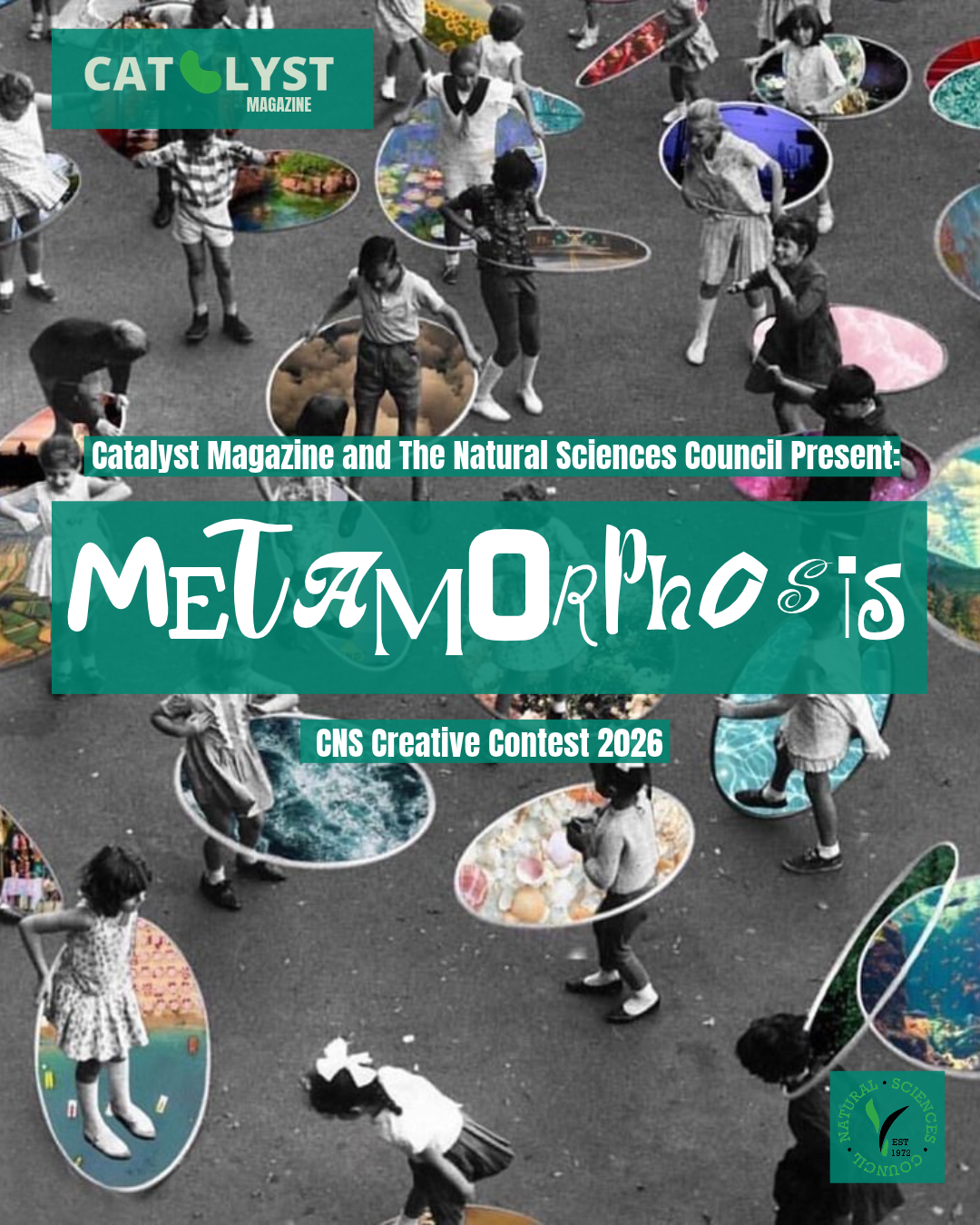
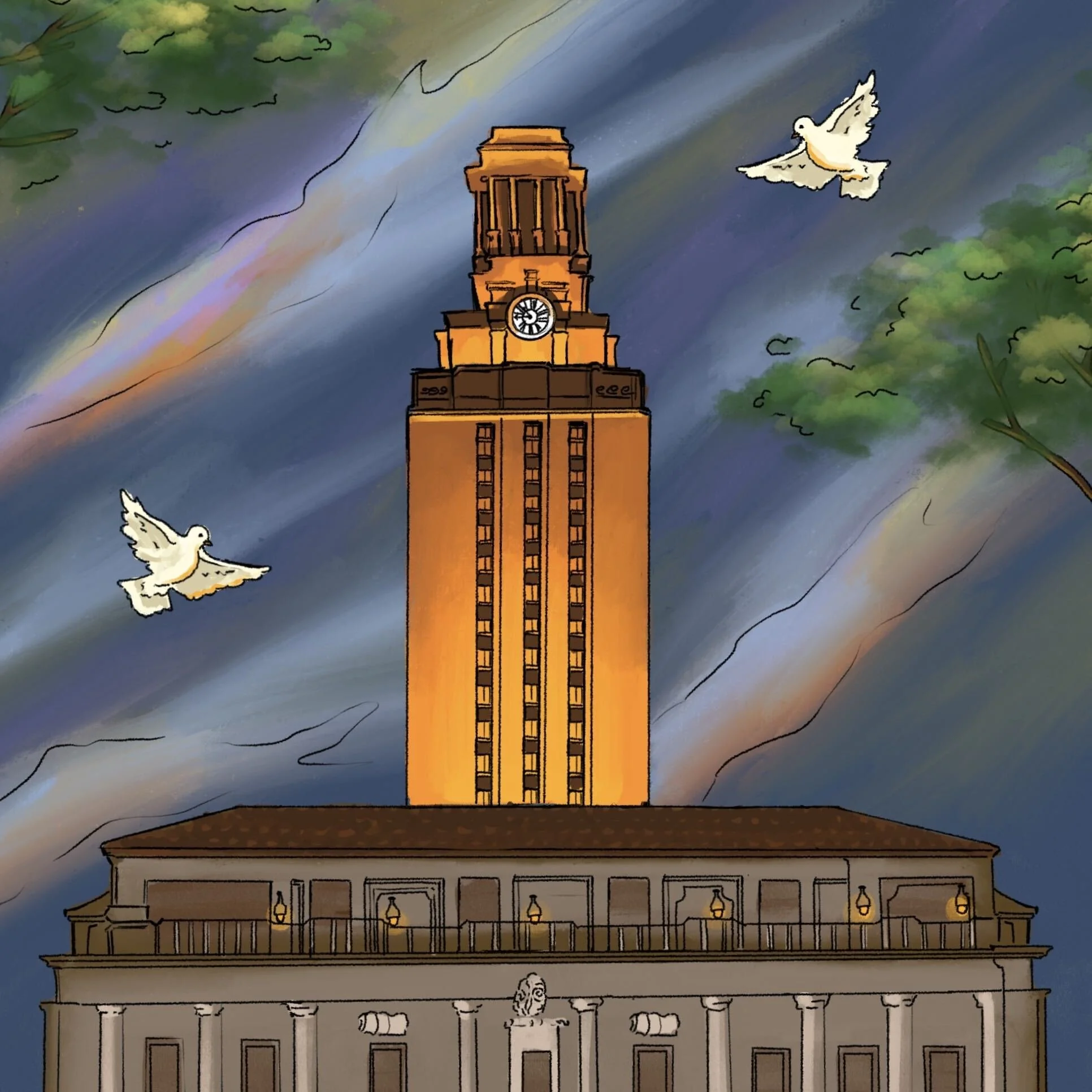
Writing and art have always been deeply intertwined with science, capturing the human stories and ideas behind every discovery. In creative contest launch, Editor-in-Chief Brina Patel announces this year's Catalyst Creative Contest around the theme "Metamorphosis". For the first time, all submissions—not just winners—will appear in the upcoming physical print magazine
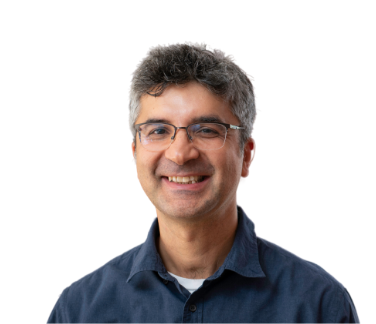
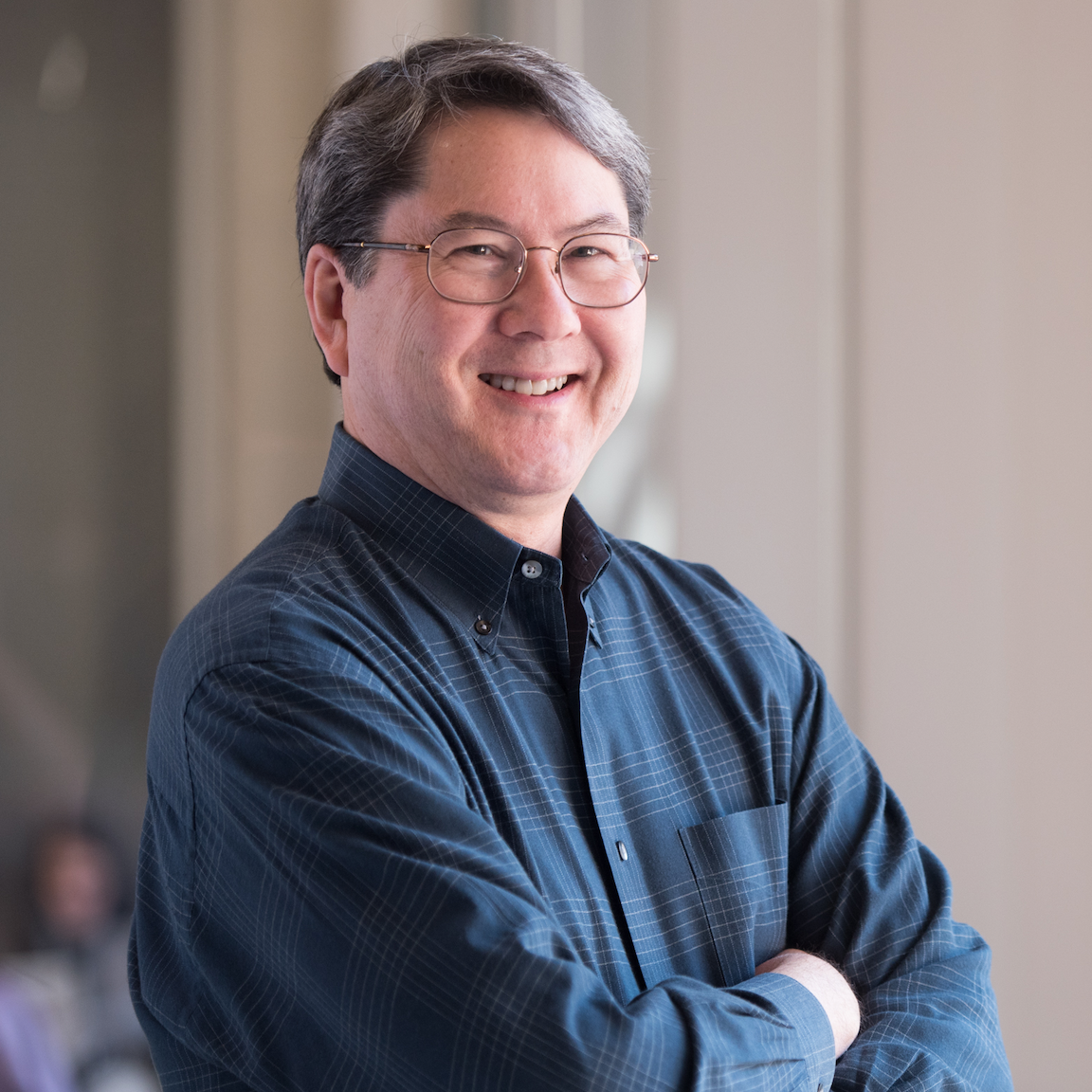
For someone whose career revolves around artificial intelligence, Dr. Isler has a surprising pet peeve: AI-written emails. In Beyond the Beaker with Dr. Isler: Thinking Beyond the Algorithm, Sneha Shekhar and Aleeza Mazhar sit down with the UT robotics professor to discuss his journey from Turkey to Austin, the dangers of skipping first principles, and why he firmly believes that true learning—much like competitive sports—can't be automated away by drills or shortcuts.
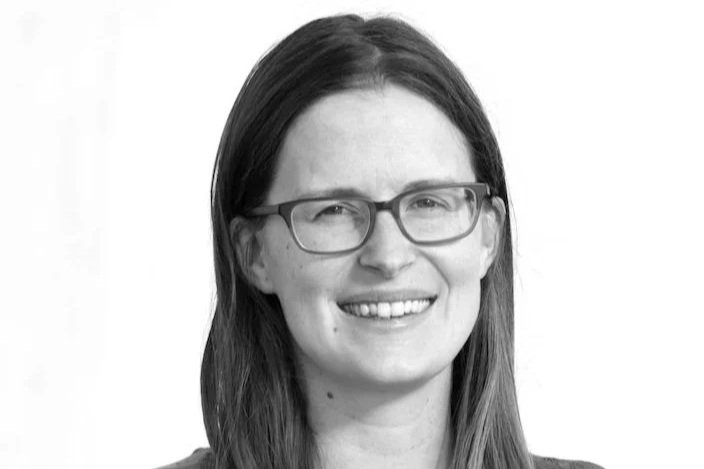
From statistical consultant to beloved lecturer, Professor Sally Ragsdale has spent fourteen years helping UT students build more than just a statistical toolkit. In Beyond the Beaker with Dr. Ragsdale: From Statistics to Self Confidence, Melissa Yee and Hermella Belay sit down with the professor to discuss her accidental path into teaching, overcoming a deep-rooted fear of public speaking, and why her best advice is to simply bark less and wag more.
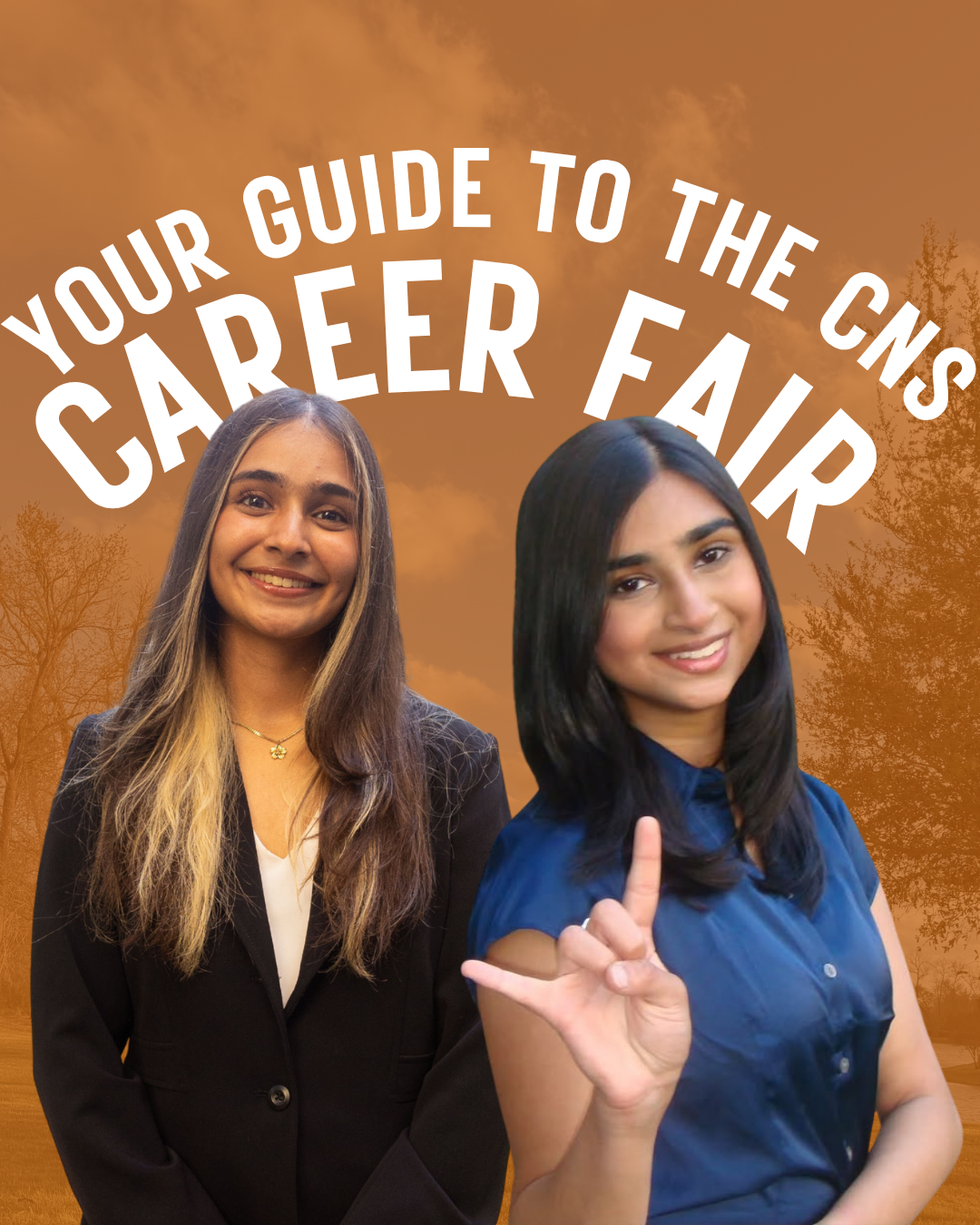
Walking into a career fair can feel intimidating, but it doesn't have to be. In Your Guide to the CNS Career Fair: Two Students on What Actually Matters, Shreemayi Undavalli sits down with Somya Krishna and Brina Patel to share real student advice. From dropping the scripts and being genuinely curious to ditching the pressure of immediate job offers early on, this guide breaks down everything you need to know to navigate networking with confidence.
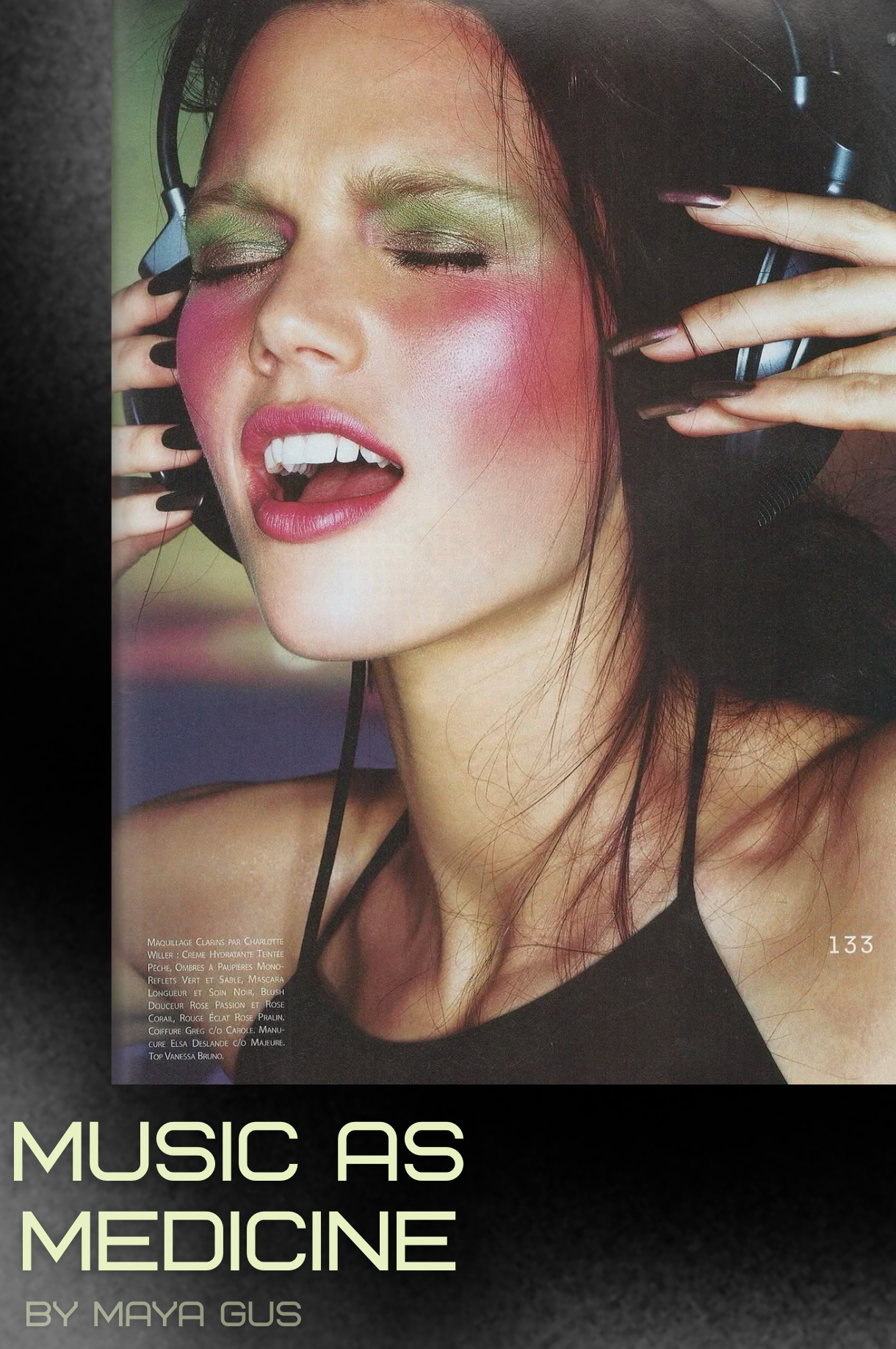
Music is far more than just background noise—it’s a daily dose of medicine for your mind that actively shapes your energy, focus, and mood. In Music as Medicine: A Zine, Maya Gus explores the science behind sound, from how upbeat rhythms release feel-good dopamine and endorphins to how intentional playlist-making helps you process emotions and journal through everyday memories.
In computer science, fields evolve constantly—and no one knows that better than Professor William Bulko. In Beyond the Beaker with Dr. Bulko: Lifelong Learning, Lifelong Curiosity, Hermella Belay and Haset Mekuria sit down with the beloved UT professor to discuss his journey into teaching iOS development and the importance of lifelong curiosity
Between the relentless pressure to optimize every single semester as the "best years of your life" and the trap of comparing yourself to peers, college can often feel isolating. In Dear You, Take It Easy on Yourself, Shreemayi Undavalli opens up a much-needed conversation about dropping the pursuit of perfection, adjusting to the rhythm of campus life, and remembering to breathe.
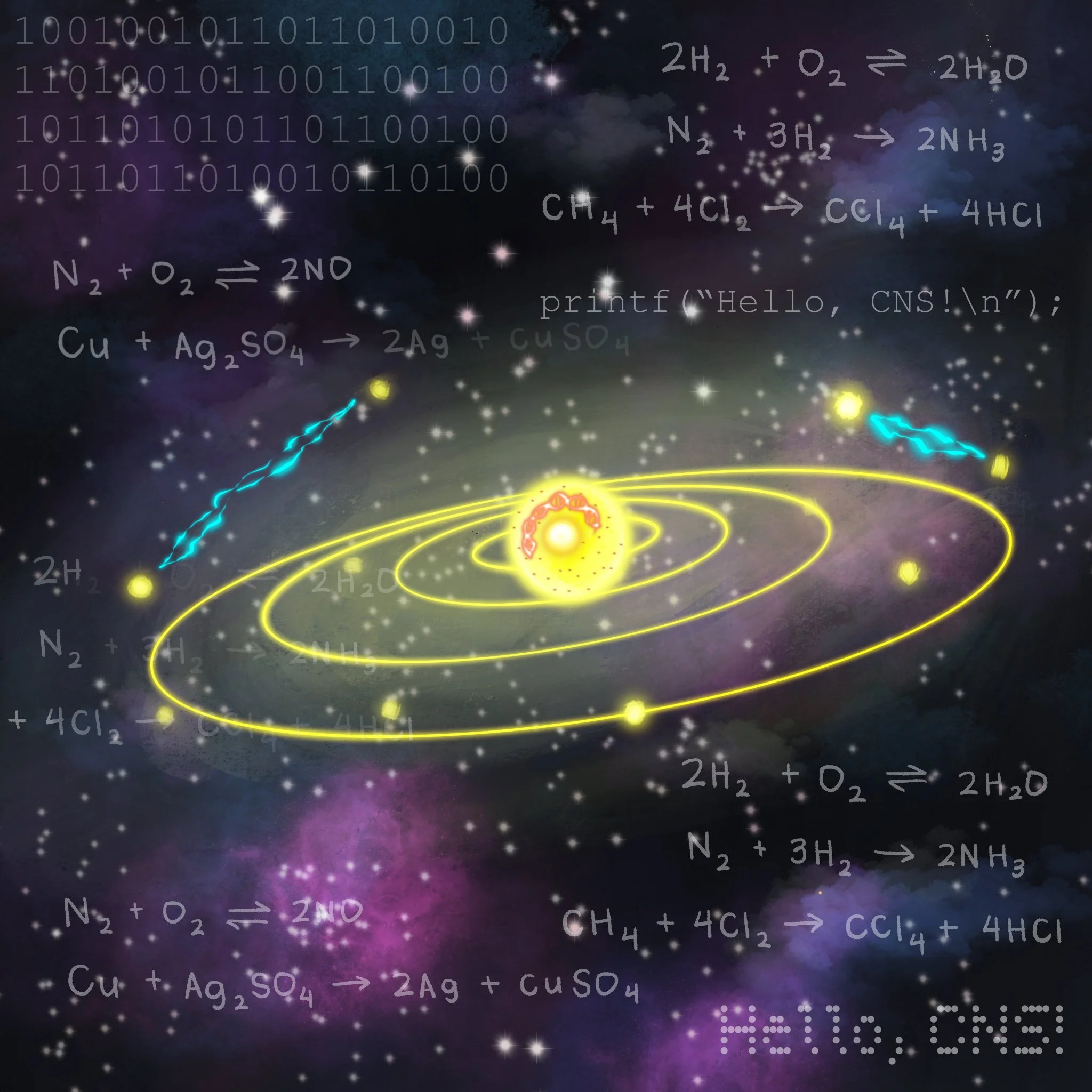
Built entirely from words submitted by CNS students, Word on the Street: Volume 1 by Sravya Gullapalli and Aleeza Mazhar weaves together biology, chemistry, and human connection. From cellular metabolism and molecular bonds to the constellations of a diverse student body, this piece transforms raw student vocabulary into a stunning reflection on what it means to build a community.
Thinking about joining the Natural Sciences Council but not sure where you fit in? In Your Aesthetic, Your Committee, Your Impact!, Sravya Gullapalli, Aleeza Mazhar, and Brina Patel break down NSC's eight unique committees. From creative storytelling and legislative advocacy to building community and organizing events, this guide helps you find your niche and make a lasting impact in CNS.
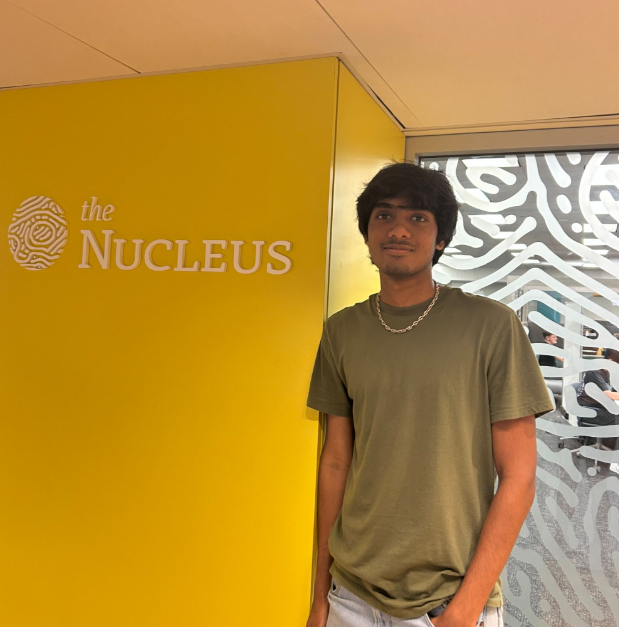
Tucked away in the back of Robert A. Welch Hall, the Nucleus has long been a go-to study hub for CNS students—provided you can find a spot before it closes at 8 p.m. In Legislation Spotlight: Extending Hours of the Welch Nucleus, Khanh Hoang highlights a new student-led initiative by Sai Kolluru to expand study hours to 10 p.m. (with hopes for midnight and weekends), giving science majors a much-needed, reliable space to collaborate late into the evening.