
Beyond the Beaker with Dr. Isler: Thinking Beyond the Algorithm
By: Sneha Shekhar
Interview by: Sneha Shekhar, Aleeza Mazhar
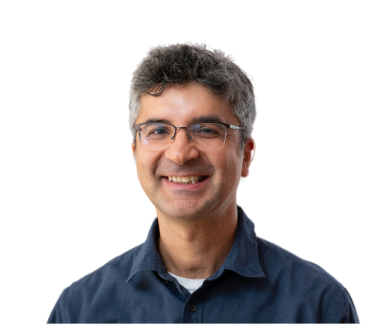
For someone whose career revolves around artificial intelligence, Dr. Isler has a surprising pet peeve: AI-written emails!
Dr. Isler had always known he wanted to work with computers, and by his third year of grad school, he knew he wanted to become a professor. Now his work centers in AI and robotics. Getting there, however, was easier said than done. It meant leaving his family and everyone he knew behind to start over in a new country, which he says is the scariest thing he’s ever done.
His path started in Turkey. He came to the United States for graduate school at the University of Pennsylvania, then taught at the University of Minnesota and worked in industry before landing at UT Austin.
Artificial intelligence and robotics, Dr. Isler’s two main areas of expertise are constantly evolving as new developments continue to reshape the field. However, Dr. Isler wants students to “think from first principles and focus on fundamentals.” His hot take supports this as well. When people claim students don’t need to learn the math anymore, he disagrees: “You can’t be competitive in any sport without doing drills.”
Beyond his research and love for technology, Dr. Isler is driven by his students. His favorite part of teaching, what makes him smile daily, is "when [he teaches] a difficult subject" and sees the "aha moment" in a student's eyes. He enjoys being around younger generations, saying their optimism and energy keep his “cynicism in check.” In class, he loves to joke around, keep the energy up, and foster a bit of back-and-forth, and that enthusiasm is contagious.
Besides research and teaching, Dr. Isler takes his caffeine seriously. He has “a whole system: green tea in the morning, then coffee, maybe an espresso shot after lunch, and oolong or black tea in the afternoon” if he needs it. On top of his beverage rotation, Dr. Isler’s favorite food is his mother’s “dolma, which is like stuffed peppers and eggplant, zucchini, and tomatoes.” While his first alternative career choice is being a researcher, he could see himself being a chef!
Whether he’s talking about robots, fundamentals of AI, or the perfect afternoon tea, Dr. Isler keeps coming back to curiosity and connection. From encouraging students to think from first principles to celebrating their moments of discovery, he emphasizes the importance of curiosity, learning, and human connection. And for students hoping to continue conversations outside the classroom, Dr. Isler has a simple, open invitation: “I like hanging out with them, so they should stop by more often.”